Showing posts with label medicinal herbs. Show all posts

Thursday, February 23, 2012

the plant pharmacy


Though we live in an area with abundant medicinal plants in the wild, I do not trust myself with identification of most of them and do not have the means or time to toodle about the countryside in search of them. I would also rather have them here on the property rather than have to go and hunt them down as I am rather lazy like that. Besides that, many of the herbs have beautiful flowers that attract hummingbirds and other healthy critters that we would like more of. So, a couple weeks ago I went on a herb shopping spree and got us a slew of new herbs and plants for medicinal use and a few off the wall edibles that should do well here.

Thursday, October 21, 2010

medinal herbs-echinacea


Echinacea was a traditional remedy of the Native American Indians in the Great Plains, where it grows wild. The Cheyenne, Comanche, and other tribes used it for many ailments, including toothaches, sore throats, tonsillitis, coughs, and blood and lymphatic diseases. This herb can shorten the severity and duration of many common illnesses.

Echinacea is a flowering plant in the daisy family. The nine species it contains are commonly called purple coneflowers. Three species of echinacea are commonly used for medicinal purposes: Echinacea angustifolia, Echinacea pallida, and Echinacea purpurea. Other common names for Echinacea are Sampson root, Missouri snakeroot, and rudbeckia.  They are native to eastern and central North America, where they are found growing in moist to dry prairies and open wooded areas. They are a very easy to grow perennial plant that tolerates poor soil and drought quite well.
 
Echinacea is full of vitamins and minerals (copper, iron, iodine, potassium, and vitamins A, C, and E), along with flavonoids, oils, polysaccharides, phenols, and alkylamides. Because of this combination of ingredients, echinacea works as a natural antibiotic, which can suppress virus activity and promote immune system stimulation through the activation of the immune system’s natural bacteria killers.
Echinacea is used in tincture form for respiratory problems, bronchitis, sore throat, enlarged prostate gland, urinary tract infections, yeast infections, ear infections, sinusitis, and hay fever. Used externally it can help heal eczema, psoriasis, and slow-healing wounds. A tea can be made and used to maintain the body's resistance to infection, to mend injured tissue, and to promote healthy body functioning.

All parts of echinacea can be used but the root of 2-3 year old plants has the most healing properties. Echinacea roots are pretty stable after washing and may be cold-stored or shipped over a period of several days without molding. However, it makes sense to make the fresh root tincture as soon as possible after washing, which will minimize oxidation. 1 dropper full  3-5 times a day is the adult dosage in tincture form. Children can take echinacea tincture as well but in smaller doses. To comfort a sore throat; Mix 2 droppers of Echinacea tincture in 1/2 cup warm water. Gargle with it two or three times daily.  To make a children's tonic; Mix 1/2 dropper of tincture with grape or cranberry juice to improve the taste and provide some nutrients. Another nice tincture is made by grinding 2 oz. root in a coffee grinder and place in a quart jar. Then, add 1 handful grated ginger root, 3-4 orange slices, and 1 handful freshly-chopped or dried peppermint. Cover with 3 times more brandy or vodka than dry ingredients. Cover the jar with plastic wrap then screw the lid on tightly. Shake the jar daily for two-four weeks. Strain and decant. Take 1/4 to 1/2 tsp. or 1 dropper full 2 or 3 times daily until your symptoms have been gone for a few days. To make a feel-good echinacea tea; Mix 4 TB each of ground echinacea root, grated ginger root, and fennel in a non-metal 1 quart pot. Then add 1 TB of licorice root and 1TB orange peel or slices and 1 quart of water. Cover and simmer 20 minutes. Strain and drink as needed. The extra ingredients make this tea taste good plus they have the added effects of ginger which is an expectorant, licorice that  soothes your throat, fennel that  moistens your throat and lungs and helps to settle your stomach as well as the citrus which  is antiseptic, antibacterial, and rich in bioflavonoids.

In spite of some claims that Echinacea has no side effects, studies show that some people may experience allergic reactions, dizziness, drowsiness, headache, muscle aches, nausea, sore throat, temporary numbness of the tongue and upset stomach.  People with tuberculosis, leukemia, diabetes, connective tissue disorders, multiple sclerosis, HIV or AIDS, any autoimmune diseases, or liver disorders should not take echinacea. There is concern that echinacea may reduce the effectiveness of medications that suppress the immune system.

Friday, October 1, 2010

medicinal herbs- wild dagga


Leonotis leonurus, also known as Lion's Tail or Wild Dagga Is a member of the mint family of plants.  It is grown as an annual and can grow as tall as fifteen feet in one season. The leaves resemble a mint plant and the entire plant has quite a lovely smell to it. The stems are wood like and thick and the smaller branches coming off the main stalk are almost a square shape. The flower heads are covered in prickly spikes while the petals are brilliant orange and are resemble a lion’s mane.

 All parts of wild dagga can be used medicinally. Extracts and tinctures can be used for relieving coughs, colds and flu symptoms, fever reduction, bronchitis, tuberculosis, hepatitis, jaundice, regulating the menstrual cycle, headaches, and for lowering blood pressure. The leaf and root of the plant can be  dried and  made into  a decoction and applied externally to treat a variety of disorders. This remedy is often used in the treatment of eczema, itching skin, insect bites and stings, rashes, hemorrhoids, and boils. It is also used for treating muscle and joint pain associated with arthritis. In many countries it is also used as a snake bite remedy both internally and externally.When the stems and stalks are added to a bath, they alleviate itching and muscular cramps.

 In African countries, wild dagga leaves are commonly made into a medicinal tea, which is favored for the hypnotic focus it gives . The petals of the flowers can  also be dried and smoked supposedly for a mild opium type effect and the  leaves are commonly smoked as a tobacco substitute. Believe me it tastes terrible, if it was all I had to smoke, I would in a hurry become a non smoker. The flower petals are supposed to be the most potent part for  smoking but  from my own experience, the “buzz” from it only lasts a few minutes and it tends to upset the stomach so it kind of off sets any euphoric effects it may have. I thus far have not tried to make a tea to drink, as it is said to have a purgative effect and I   just do not feel like testing it out to see for myself. I personally prefer to use it   as a decoction or poultice for skin ailments than trying to actually ingest the stuff. I  have not been sick in so long that I can't say how  well a tincture works either, but I have it sitting in a cupboard just in case.

While there are no known side effects from using wild dagga it should be avoided while pregnant or nursing. Just like every other plant or weed used medicinally, use caution until you know you are not going to react to it.  This plant is perfectly legal to grow in all 50 states so there are no worries  about the legalities of growing it, although, to purchase from anywhere one must be 18. 

I  wonder how well it would work in a  potpourri or a air freshener type bag?

Monday, September 20, 2010

medicinal herbs-wild edibles-usnea

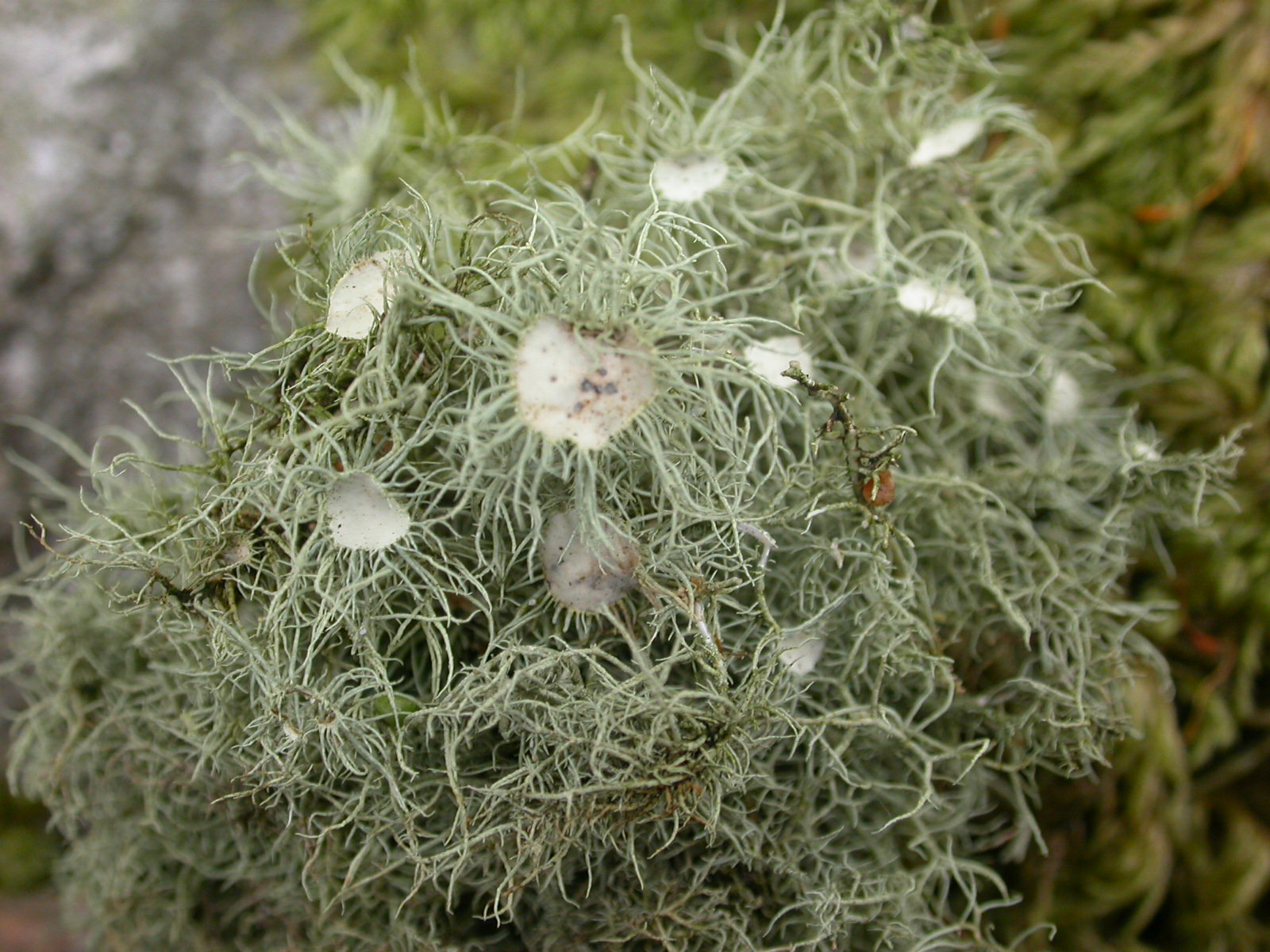
 Usnea is a lichen or a cross between an algae and a fungus.Technically it is a fruticose lichen, or a hanging hair lichen.  It is  sometimes referred to as "old man's beard," and  is another of those wild things, that once you have seen, it, you will always remember it. While usnea is not exactly an herb, I am lumping it into that category, because, it is where my own head files it when I think about it, and  since my knowledge of fungi, algae, and lichen is very little ,with the exception of usnea, it doesn't get its own category. 

Of course , as with almost all of the wild things, I have to give the FDA/USDA, protect us all type of warning. Eating usnea in large ,unrealistic quantities is NOT recommended, as it can cause liver failure. Several years back, it was found that the usnic acid in the usnea, had weight loss qualities. Companies began making a fix-me pill of it and when studies were done, some of the fix-me pill takers had liver issues. Shocking, ain't it? The bottom line, as always, is use common sense with all wild things, do not go nuts and see how your own body reacts to each before deciding to use it in any way in your personal pharmacy.

Usnea is found all over the world  and there are thousands of varieties but the Creator of things gave us a very easy to remember way of identifying the sort we can use. Usnea has a white core going through its  always round main trunk . If you gently pull it apart, you will see a white core, almost like a very thin strand of elastic, you know the type I mean ladies, the ones that come loose on  old style underweenies.  Usnea grows mostly in the trees and  looks much like Spanish moss, however, when you pull moss apart it will have a black core. Usnea  resembles hair or a scruffy looking old mans beard. Sometimes, there is just straight hair and sometimes they have little ,dangly, doodads(as in picture) on the ends of the strands. Different regions have different varieties, learn yours. Usnea grows up in the trees, thankfully, limbs fall making collecting it much easier. It also stays one color all year and does not have much color variation. There are a couple others out there but for safety sake and ease, look for the basic green. Nutrition wise, it is made up of about96% carbohydrates. It's nearly all food and is high in Vitamin C. Usnea is also about half antibiotics which is what makes it such a good wild thing to  know.

Medicinally speaking, in Native American traditions Usnea represents the North and maintains the lungs of planet Earth. In those traditions Usnea has a sacred  relationship with the trees, helping to protect them against infections. In people it has much the same qualities.It can be  used as an  antifungal-  againsts ringworm, athletes foot and yeast infections. as an  antiparasitic  it is effective against Trichomonas and Chlamydia in vaginal infections. As an  antibacterial it is  effective against gram positive bacteria in local or systemic infections. It also works to boost the immune system in cases such as acute and chronic lung infections such as-pleurisy, TB, pneumonia, colds, flu and  other types of poor immune function.

Usnea can be dried and ground to a fine powder and applied directly to wounds. It can also be made into a decoction and used with compresses topically, and can be incorporated in to salves, lotions and creams. Again, test a small area before making up a gallon and see how your body deals with it. Some people have a small rash reaction from directly applying it. It can be made in to a tea, however, its healing property do not dissolve well in water and it has next to no flavor. Most often , usnea is tinctured and used in that way. It can also be nibbled on in very small quantities. By small, I mean a pea sized chunk a couple times a day. To eat it in any amount of quantity, one would need to leech off the acids. Surprisingly it does not taste too bad, but is certainly not something I would want to eat an entire bowl of unless I simply had to.

Wednesday, September 15, 2010

wild edibles-sassafras


Sassafras is one of my favorite wild edibles. Even though one doesn't generally eat it,it has many uses around the homestead  as a food/drink, medicinal purposes and as a natural dye(yellowish), so I classify it as  an edible.

First and foremost, the FDA has classified sassafras as a carcinogenic, so don't go eating 50 pounds of it in a session or you might get ill. I personally go by the rule, all things in moderation. I know many "foods" that are a carcinogen and they allow the use of them . I will not hop on my soap box but,  will allow each as an individual to decide for his/her self.

Sassafras is one of the easiest to identify plants/ trees  out in the wild. The leaves make it very easy to pick out as they often times look like mittens and they do not have just one shape of the leaves. One tree can have several  leaf shapes on it.

My favorite uses for sassafras are for making teas and in  making soda. Tea is made by steeping  the bark,  leaves or root of the tree  in water. In England, the tea is mixed with milk and sugar to make saloop, a morning beverage. I prefer it with just a touch of honey. To  make soda or traditional style root beer, make a simple  syrup and follow the directions for soda making.
Simple syrup
2 cups of broken-up sassafras twigs or root
 2 1/2 cups water
  2 1/2 cups sugar
 1  teaspoons citric acid or lemon juice
 Peel some of the green bark away from the twigs. The bark has most of the flavor.  Cover the twigs with the water and bring to a boil. Turn off the heat, cover and let steep overnight. Strain the sassafras tea through a strainer to remove any debris and measure it. You should still have 2 1/2 cups. Add as much sugar as you have tea, stir it to combine and bring it to a boil. Turn off the heat and let it cool. Add the citric acid, 1/2 teaspoon at a time
Store syrup in the fridge in a closed jar.  Keeps for up to a year.

Another great use for sassafras is as a thickener in soups, stews and gumbo.  Gumbo would not be traditional gumbo without using file. To make, simply dry the leaves of the sassafras and crush or grind. Add it to your recipe as the thickening agent rather than a flour or corn starch thickener.

Medicinally, sassafras is said to have value as a stimulant, pain reliever, astringent and treatment for rheumatism. Skin problems may be bathed in an infusion from the leaves. . It is said that chewing on the bark may help break the tobacco habit, however, the  FDA says it isn't good for you and well... you know. I have known a few folks that have used the twig chewing to aid them in breaking the nicotine  habit and they have not died from cancer.

Here is another recipe that I have not tried, but thought I would include it since  it sounds good. I am going to make my own version of it here on the homestead soon, replacing  what I have on hand  for what I do not have in the recipe.

Sassafras peanut sauce
2 tbs. peanut oil
2 red onions, chopped
3 large cloves of garlic, chopped
1 cup toasted peanuts, finely chopped
1 cup coconut milk
1/2 cup water
3 tbs. lime juice
1/2 tsp. sassafras root bark (cambium) or cinnamon, ground
1/2 tsp. salt
1/4 tsp. liquid stevia
Saute the onions and garlic in the peanut oil 10 minutes. Add the remaining ingredients, bring to a boil, reduce the heat to low, and simmer 10 minutes.
Puree in a blender or food processor if you prefer a smoother sauce.Serve hot or at room temperature. You can cook vegetables or tofu in this sauce. Serve over rice or pasta.

Here is another link that has some jellies, mead and candies  using sassafras.   http://www.southernangel.com/food/sassafras.html


Wednesday, May 26, 2010

oregon grapes- making juice

Here on the homestead we have an Oregon grape bush/tree thing. For the first time I harvested them for our personal use. To be honest, I had no idea they were even edible until a couple years ago. In fact, few people know that they are edible because of their holly like appearance.

Most American herbalists rank the Oregon grape as one among the most outstanding and exceptional Native American herbs available today. They also believe that the shrub is in fact one of the best herbs available today, which can effectively stimulate liver activity and the secretion of bile. There are several reasons for this belief. For one, the Oregon grape boasts of a bright yellow root, which is high in the alkaloid berberine, which is in turn an important constituent of other similarly powerful healing plants like for example, goldenseal. The root is also said to have a warm and drying influence. The Oregon grape can stimulate weakened livers, and at the same time dramatically alleviate liver-induced symptoms such as headaches, poor digestion, and toxic blood... Herbalists of today prefer to use the Oregon grape to cleanse the liver, the spleen and in some cases the blood too. However, an individual who consumes too much rich food, or who overeats regularly and who therefore has an overactive liver must not use Oregon grape, because of its action on the liver.

Oregon grape is generally prepared in an easy infusion, using 1/2 ounce of dried Oregon grape root to one quart of water. The infusion can usually be taken a cup at a time, thrice a day until relief is obtained. Oregon grape is often used in herbal formulas, too. Since the berries of the Oregon grape have been found to possess a cooling effect, they are used to break fevers. For more information on medicinal uses click here.
 The Oregon grape  is quite a sour little berry so you don't really want to eat a handful of them unless you happen to have scurvy as the berries have a  lot of vitamin c in them.  They also have from 1 to 4 seeds in each tiny "grape"   so there isn't much meat to them. The good thing is that when prepared they make a fair replacement in all grape recipes from jams and jellies to wine, and juice.

Yesterday I picked our "grapes" from the bush. Because it is so holly like, the leaves on the plant will prick you  and may also cause a slight allergic reaction when bare skin rubs on the plants.  Wear gloves and long sleeves. Once the  ripe berries are picked wash and remove stems, bugs and any non ripe berries.The berries  also have a dusty blue coating on them,when you pick them it sort of rubs off and they become a purple/blue color.

To make the juice I simply put 2-3 cups of grapes  in  sterilized jars, add a cup of sugar and fill  with hot water. Next cap and process in a hot water bath for 20 minutes. Allow the juice to age for two months or more. When ready to use, reconstitute and add sugar according to your taste.

I processed twelve quarts of juice yesterday from one plant, not bad for something  we didn't know was edible. This fall I will likely sacrifice one of the roots for medicinal uses.

Sunday, May 16, 2010

rose petal jam

A couple days ago one of the blogs I like to follow made a post on rose petal jam. Having just come inside from taking pictures of the roses I decided that rather than let them go to waste on the bush I was going to make me some jam.

This morning since we had the fire built up good for some cooking I decided to make it. I followed the recipe  from here and it turned out quite lovely looking. Now if it doesn't taste like a giant bottle of perfume we are all set. 

Tuesday, April 27, 2010

poison ivy and jewel weed - oil-soap-salve and ice cubes

Since I tend to have an on going case of poison ivy from spring  until fall each year I decided   this year instead of running out and buying enough poison soap for an army I would just make my own.  Lye soap in itself is supposed to be good for washing the oil from the poisons off but jewelweed  is supposed to be one of the best plants known  to treat poison ivy or oak.  By simply infusing the jewelweed in oil and then replacing some of the oil in the soap recipe it will give me the same bars of soap that are sold in town for anywhere from 5 bucks  to 9 bucks  a bar.

For someone like me  it is the best solution since I have no insurance to keep running to a doctor, don't want to go to a doctor  and I am always playing in the stuff and always have at least a few spots of poison. I get it in my hair I believe and because I can't wash my hair daily nor would I if I had the ability, I tend to spread it about in small patches. I also get it on me from petting the dogs that run through it  while guarding us from  evil monsters in the woods. Thankfully I don't ever get too bad of a case but just enough of it to make me itchy, scratchy n cuss a bunch. Now I can  come in from outside and not worry about using 10 bars of  the soap through the summer as it only cost me a few bucks   to make enough for a few years and I know exactly what I am using. I can also use it  on my hair to get the oils off as needed.  

Since I was doing a few things at once today, I made the  soap in the crock pot as it just makes things so much easier.  I halved the recipe, replaced 1/2 of the oil with infused jewelweed oil  and added a bit of  ground oat meal just before putting it into the molds.  Some folks prefer to make a tea  from the jewelweed and use that in place of the water in the soap recipe. I prefer the oils because I use the oil for other things besides the soap, by making the tea I am  limiting what I can do. No matter what you use your soap will turn out a light brown color so it isn't the prettiest of soaps.

To make a salve   that can be used to dab onto  insect bites, rashes, etc take one cup of infused oil and mix with  1 ounce of beeswax that has been melted. Cool and place in air tight container. Jewelweed is good for many skin irritations from acne, to hives, bug bites, stings or just plain sensitive skin. Like wise a simple dab of oil works well too. The salves work great in first aid kits or travel bags because of their light weight.

Another simple use for jewelweed is to make a tea from the leaves and flowers and make ice cubes to  rub over an affected area. These work well for littles as they can get all messy while being healed. The plant itself can also be picked fresh and used. Crush  the stem  and rub it on the poison ivy affected area, just remember that often times jewelweed and poison ivy grow in the same location.

Jewelweed  seeds are edible  although not something you would want to go and pick for  harvesting and making a meal of. They are something fun to show others and for a little trail side snack they are pretty tasty.

Saturday, April 17, 2010

dandelion syrup

The other day I made dandelion syrup. Much to my surprise it is  quite  lovely and I think it will make a very suitable honey type replacement as well as pancake syrup. It is very sweet yet has an earthy, clover honey type flavoring to it.  We had an abundance of dandelions this year so I have made a half gallon of syrup with enough   to make  more if it is something I find we  are using enough of  to warrant more.

Dandelion syrup
Take one quart of dandelion flowers and four cups of water and boil gently for about an hour. Remove from heat, cover and let sit overnight. The following day strain and squeeze liquid out of flowers and throw the flowers to compost. Put the liquid back in the pan and add 1/2 of a chopped lemon and 2 cups  of sugar. Simmer until a thick honey like consistency.  Cool and place in tightly closed jars. Store in fridge.

Sunday, April 4, 2010

wild edibles-dandelion

The lowly dandelion is  another one of our favorite early spring time additions to meals. Much like the violets more often than not I add  very young tender greens, buds and flowers to salads.When we have greens dishes I often add the young greens to our harvest  from the gardens. Our newest dandelion dish is poppers or deep fried dandelion flowers.

Tonight I made us some Buffalo wing style poppers and boy were they good. To make them simply cut fresh, just opened dandelion flowers as close to the flower head as you can. The stems have milky sourness in them so be sure to cut as much  off as possible but not so much that the flower falls apart. Rinse well and strain.  Dip in your favorite deep fry batter and deep fry. For the Buffalo  wing sauce I use  tobasco , mix in a dab of butter and touch of salt and coat the  poppers  well and place in 350 degree oven for 10 minutes . Serve hot with ranch or bleu cheese dressing.  For a more dessert like popper try coating the cooked  flowers with cinnamon and sugar.

My next foray with the dandelion is going to be  making a coffee  replacement. To make  "coffee"  dig the roots up wash, wash  and wash again.  chop fine in a food processor and bake  at 225 for a few hours. The dandelion root  will go from a light beige color to a rich coffee like color when done. Cool the dandelion grounds and store in air tight container.Start with a blend of 1 tbsp grounds per cup of drink, adjust to your liking.

I enjoy making vinegars with dandelions as well as vinaigrette. I find it a good way to get some of the  health benefits of the dandelion all year long. Dandelion helps both the liver and gall bladder to break down fat, by stimulating the flow of bile thus helping to  prevent gallstones. Dandelion also helps the liver with its process of detoxification as well as  benefiting kidney function,( as it has diuretic properties,  which makes it beneficial for anyone suffering from a urinary infection).  Dandelions also contain  potassium, magnesium, niacin, calcium, phosphorus, proteins, iron, sulphur, zinc, vitamins B1, B2, B6, B12, C and E. They are also  a richer source of provitamin A (beta carotene) than carrots. Because the leaves are rich in readily available magnesium, dandelion is also a great herb for improving bone health. Magnesium increases bone density, so dandelions may actually help to prevent bone disorders such as osteoporosis.

Medicinally dandelions can be used  as a liver tonic and as a mild diuretic. The roots may be dug in fall or early spring and tinctured. A dropperful of this alcohol extract twice a day is a time-honored remedy for liver complaints. The milk from Dandelion stems can cure warts. It should be applied three times each day. Teas can also be made from the leaves and flowers and drank for liver and gall bladder  cleansing. I personally do not  care for the tea much  but for medicinal use, it is not something I would like to drink a cup or two of every day.The milk from Dandelion stems can cure warts. It should be applied three times each day. Dandelions are currently being studied for control of blood sugar because of the inulin contained within them.

There are many more things that dandelions can be used in both culinary and medicinally. For some really nice and different recipes from cakes, to cornbread, pancakes and wine amongst others check out
http://www.prodigalgardens.info/dandelion%20recipes.htm


Saturday, April 3, 2010

wild edibles- violets


                                                      (not a good example plant lol)

Spring is a wonderful time for finding wild edibles on the homestead . One of the first available for harvest  here are  violets and they are also one of our favorites. Luckily for us they  grow natural  and are very prolific.

There are over 900 species of violets in the world so exact identification is difficult but most all the varieties have the same edible and medicinal uses. All species  have 5 petals, which may have a yellow fur on the inside of two of the petals.Violets bloom  from March to June. Gather the  flowers when in full bloom, leaves anytime, although the younger leaves are more tender, and rootstock in fall. Roots, leaves and flowers can all  be dried  for later use.Violet leaves are high in vitamin c and several other nutrients.The flowers have a sweet mild aroma

The most common use for violets is using the flowers and leaves in salads and garnishes.  We eat them this way  nearly every day as long as they are in season. They make a pretty garnish in soups and on desserts too.The flowers can also be candied but in my experience although they taste great, getting them to look even half way good is difficult. For food purposes the flowers and leaves can also be jellied. I have not tried this recipe as yet but  since we have such an abundant crop of them this year, I just may as it  certainly looks good.  For a few more  interesting violet recipes check out
http://www.prodigalgardens.info/violet%20recipes.htm#Spring%20Salad

The flowers and leaves of violet are made into a syrup used in alternative medicine mainly for respiratory ailments associated with congestion, coughing, and sore throat.There are even a couple brands of this sold on the market. Following is the recipe I have on hand to eventually try out. We rarely get sick so I see no point in having too many herbal remedies in them medicine chest at once. Pour 1 pint of boiling water over 1 cup packed fresh crushed flowers and leaves. Cover and let stand for 12 hours. Strain and squeeze through cloth, add 2 lb. of sugar and boil for 1 hour or until syrupy. Store in glass jar. Give 1 tbs.(1 tsp. for children)  2 or 3 times a day.
Tea made from the entire plant is used to treat digestive disorders and "new research has detected the presence of a glycoside of salicylic acid (natural aspirin) which substantiates its use for centuries as a medicinal remedy for headache, body pains and as a sedative. The plants constituents are being studied and show these uses to be valid. Eugenol, Ferulic-acid, Kaempferol, Quercetin, Scopoletin, also show promise in the treatment of many kinds of cancer, arthritis, AIDS, gum disease and more."  
Teas for digestive issues can be made by taking  ¼ cup dried or fresh herb in 1 cup of water for  and steep for 10 minutes. Strain, flavor to taste. Take in ½ cup doses twice a day.  Used externally the fresh crushed leaves reduce swelling and soothe irritations. As a bath additive the fresh crushed flowers are soothing to the skin and the aroma is very relaxing.


Thursday, December 24, 2009

oregano


Most of the time when we think of oregano we think of it as a cooking spice rather than a medicinal herb. In fact in the US oregano in cooking didn't catch on until after WW2, until this point its use here was strictly medicinal.

Oregano is an aromatic, herbaceous perennial with erect, hairy, square stems. Leaves are opposite, oval, toothed or toothless, pointed and up to 2 inches long. They feature ¼-inch long, tubular, two-lipped, whitish to pinkish flowers typically seen from late July until September. Oregano reaches a height of 12-24 inches, and a width of 10-20 inches.

Oregano is not recommended for children, pregnant women and lactating women. Those who have other health conditions such as high blood pressure or heart disease should not take oregano without medical supervision

The amount of essential oil present in the oregano plant varies depending upon the species and growing conditions. Dried leaves of oregano are commonly used for the therapeutic purposes as well as for the culinary purpose. Nutritionally oregano also contains iron, vitamins, calcium, magnesium, copper, niacin and thiamine. As a medicinal, oregano contains antioxidant, anti-microbial and anti-parasitic compounds.

Parts used are the leaves.
The volatile oil carvacrol present in oregano inhibits the growth of bacteria and other parasitic microorganisms. Some studies have found it to be more effective in killing Giardia than prescription drugs.

Oregano is used for external and internal fungal infections and yeast infections.

Oregano is used for the treatment of flatulence, bloating and other indigestion problems.
serves in improving digestion.

effective in overcoming menstrual symptoms and promoting menstruation.

Some people use oregano as a natural remedy to treat cold and flu symptoms.(as a tea or using oil on the soles of the feet)

Herbal tea prepared with oregano helps in alleviation of headache, urinary problems, lung disorders, diarrhea, nausea, vomiting and jaundice.

Oregano boiled in plain water can be used as a mouthwash. Gargling with this water can help to prevent tooth infection and sore throat.

Oregano oil applied directly to the infected tooth helps in combating toothache.

Ground oregano leaves as a poultice soothe arthritis pain, insect bites and other skin problems.

Its bitter taste and strong aroma help in controlling head lice(use in an oil)

For your pets oil of oregano can be used for a natural remedy for ear mites

yarrow


yarrow also know as Milfoil, Old Man's Pepper, Soldier's Woundwort, Knight's Milfoil, Thousand Weed, Nose Bleed, Carpenter's Weed, Bloodwort, Staunchweed

Yarrow is one of the most useful herbs to have in a home garden or yard. It does have a tendency to spread like wild fire and can become a nuisance so remember this if you plant it somewhere. It is however quite a pretty plant to have around and it is not picky about where or how it grows. I routinely dig up clumps and fling them on banks and bare spots and a new patch grows.Yarrow will also grow in most any climate and any soil condition so it makes a good plant for those with brown thumbs.

Yarrow grows from 10 to 20 inches high, a single stem, fibrous and rough, the leaves alternate, 3 to 4 inches long and 1 inch broad, larger and rosette at the base, clasping the stem, the segments very finely cut, fern-like, dark-green, giving the leaves a feathery appearance. The flowers are several bunches of flat-topped panicles consisting of numerous small, white flower heads. Each tiny flower resembles a daisy. The whole plant is more or less hairy, with white, silky hairs.The white yarrow is considered to be the best for medicinal purposes.

In china yarrow is used as a divination tool however there are many more conventional uses which make yarrow one of my top choices to have on the homestead . antiseptic, antispasmodic, astringent, carminative, diaphoretic, digestive, emmenagogue, stimulant, and tonics, vasodilator and vulnerary. Yarrow is used against colds, cramps, fevers, kidney disorders, toothaches, skin irritations, and hemorrhages, and to regulate menses, stimulate the flow of bile, and purify the blood. Medicinal tea is a good remedy for severe colds and flu, for stomach ulcers, amenorrhea, abdominal cramps, abscesses, trauma and bleeding, and to reduce inflammation.

Do not use yarrow during pregnancy, for undiagnosed bleeding, or for more than two weeks
.

Use flowers, leaves and stems.
A piece of the plant held against a wound will staunch bleeding.
An infusion can help to break a fever.
A tea made from yarrow with peppermint and elderflower can be used to fight colds and flu.
Yarrow can be of benefit in mild cystitis.
Promotes digestion.
Improves circulation by acting as a vasodilator.
Lowers blood pressure.
Dry herb edible as a spice or flavoring, strong sage flavor.
Can be used in dry floral arrangements and as a scent in potpourri
An aromatic tea: To 1 tsp. dried herb add 1 cup boiling water, steep for 10 min. sweeten to taste.

Tuesday, November 24, 2009

herbal vinegars for good health


I was going to spend the time making this post but instead I found this in my stash of book marked sites. It does a much better job of explaining than I could ever do . Here is a snip from an article on the subject..

herbs to use in vinegars
  • Apple mint leaves, stalks
  • Bee balm (Monarda didyma) flowers, leaves, stalks
  • Bergamot (Monarda sp.) flowers, leaves, stalks
  • Burdock (Arctium lappa) roots
  • · Catnip (Nepeta cataria) leaves, stalks
  • · Chicory (Cichorium intybus) leaves, roots
  • · Chives and especially chive blossoms
  • · Dandelion (Traxacum off.) flower buds, leaves, roots
  • · Dill (Anethum graveolens) herb, seeds
  • · Fennel (Foeniculum vulgare) herb, seeds
  • · Garlic (Allium sativum)
  • · Garlic mustard (Alliaria officinalis)
  • · Goldenrod (Solidago sp.) flowers
  • · Ginger (Zingiber off.) and Wild ginger (Asarum canadensis) roots
  • · Lavender (Lavendula sp.) flowers, leaves
  • · Mugwort (Artemisia vulgaris) new growth leaves and roots
  • · Orange mint leaves, stalks
  • · Orange peel, organic only
  • · Peppermint (Mentha piperata and etc.) leaves, stalks
  • · Perilla (Shiso) leaves, stalks
  • · Rosemary (Rosmarinus off.) leaves, stalks
  • · Spearmint (Mentha spicata) leaves, stalks
  • · Thyme (Thymus sp.) leaves, stalks
  • · White pine (Pinus strobus) needles
  • · Yarrow (Achilllea millifolium) flowers and leaves
  • Burdock root
  • Yellow Dock root
  • dandelion (flowers, buds, leaves, and roots)
  • Comfrey
  • Garlic Mustard
  • Chickweed
  • Red Clover
  • Lambsquarter
  • Nettles
  • Red Raspberry Leaves
how to make your own herbal vinegars

A very good article written by one of my favorite net folks, Susun Weed. She also has a very good you tube series that you may want to check out

a few recipes using your herbal vinegars

Monday, November 23, 2009

Culinary Herbs as medicinals


and since we are still on the subject of herbs...

Think of your spice rack as your medicine chest. most culinary herbs actually began as medicinal herbs. Through thousands of years of dietary changes we have lost the art of eating our medicines

Now, during these times of chemicals, preservatives, GMO's, homogenization irradiation and ever growing health care costs it is time to get back to basics and back to using some of our most common herbs in treating some of our ailments..

If you are pregnant or have a serious medical condition, always consult a professional before ingesting significant quantities of herbs


Basil (leaf, flower) is cooling and belongs to the mint family. It aids digestion, supports the stomach and is a slight sedative. (tea 4-6oz., tincture 10-15 drops)

Bay (leaf) is astringent, anti-bacterial and anti-fungal. It supports the nervous system and stomach, helps dispel gas. It stimulates menstrual flow. (tea 2-4 oz., tincture 10 drops)

Black pepper (seed) is stimulating, increases flow of gastric enzymes, and helps prevent constipation. (tea 2oz.)

Cayenne as you know is very heating. Cayenne strengthens the heart, capillaries, arteries and nerves. Good for cold feet and hands. It also stimulates stomach secretions and opens the bronchi. Mix cayenne with garlic, lemon, ginger and honey to make a tea to help get over a cold or flu. You can vary this tea with or without the ginger or garlic, and just use a pinch of cayenne. If you have a slip of the knife while cooking, packing enough cayenne to cover well the exposed flesh will help stop the bleeding and is anti-microbial. (pinch in your tea, 2-5 drops tincture)

Cinnamon (bark) is an astringent, dispels gas, anti-bacterial, anti-microbial. It can also help relieve diarrhea. (tea 2 oz., tincture 5-10 drops)

Cloves are anesthetic and work well for toothaches (a drop of the oil or tincture on the offending tooth) and as a sore throat gargle. (tea 2oz., 10 drops tincture in water for gargle, do not swallow)

Fennel
(seed) is a wonderful warming plant to help ease flatulence, indigestion, colic and gastro-intestinal spasms. Fennel will also ease throat tension and coughs as well as bring up phlegm from the lungs. (tea 4-6oz., tincture 10-15 drops)

Garden sage (leaf) is cooling, disinfectant and astringent. It cools a fever, cleanses the blood, eases headache and nervous tension. It also stimulates digestion and is an emmenagogue. Garden sage also works well as a mouthwash for sore throat, mouth ulcers and bleeding gums. Garden sage is the variety of sage that you will commonly find in the grocery store. (tea 4-6oz., tincture 10-15 drops)

Garlic is excellent when you are sick. It stimulates your immune response, is anti-microbial and promotes sweating. It is useful when traveling to discourage parasites. Garlic also decreases cholesterol, LDLs, and blood pressure. Eat with parsley if having garlic breath bothers you, or a loved one. To enjoy the medicinal effects of garlic it important not to get it too hot. The best way to cook with it is to sprinkle it raw onto your food, or add it in at the end of cooking once the heat is turned off.

Ginger
is heating and increases circulation especially to the pelvic region. It is useful for nausea, motion sickness and to stimulate the appetite. Ginger makes a lovely footbath to warm you on a cold night. (tea 4-6oz., tincture 10-15 drops)

Nutmeg (seed) aids digestion, flatulence, diarrhea and nausea. It is a mild sedative in small doses and narcotic in large doses. It works well steeped in warm milk or brandy. (tea 2-3oz., tincture 5 drops)

Oregano (leaf) helps indigestion, coughs and headaches. It is an emagogue and is a good poultice for painful swelling. (tea 4-6oz., tincture 10-15 drops)

Peppermint
(leaf) is both cooling and stimulating. It helps cramps from gas, bloating, motion sickness and nausea. Peppermint can also soothe a headache by drinking the tea or putting a cool cloth soaked in tea across your forehead. (tea 4-6oz., tincture 10-15 drops)

Rosemary (leaf, flower) is warming, both a circulatory and liver tonic. It is a digestive aid and stimulates the liver as well as gastric juices. It is an emmenagogue and will soothe a headache. Rosemary is very antiseptic and makes a good wound soak. (tea 4-6oz., tincture 10-15 drops)

Tarragon
(leaf) stimulates the appetite, relieves flatulence and colic. It is also anti-fungal and anesthetic. (tea 4oz., tincture 10 drops)

Thyme (leaf) supports the stomach. It is also antiseptic (good as a wash for skin infections) and antispasmodic. It works well for congested lungs and shortness of breath. (tea 4-6oz., tincture 10-15 drops)

Turmeric (root) is warming, analgesic and astringent. It promotes bile, relieves a congested liver and gallstones and aids digestion. Turmeric also reduces tumors and uterine fibroids and is an emmenagogue. (tea 4-6oz., tincture 10-15 drops)

Many flowers are also edible and are beautiful additions to salads or desserts. These include borage, calendula, chive, lilac,violet and nasturtium.

Before you walk to you medicine cabinet, consider your spice rack.

How to make infusions, teas, decoctions,syrups, tinctures,oils ,salves and creams


As a continuation of the last post on herbs...

Infusion

An infusion is made by adding boiling water over herbs and allowing the mixture to steep for several minutes before straining and drinking. Do not bring the infusion to a boil with the herbs in the container. Rather, pour the hot water over the herbs into a separate container for infusing. Use about ½ to 1 cup of fresh herbs for 2 ½ cups of water. Chamomile, mint, ginger, lemon balm, rose hips, and sage are easy to grow herbs that make refreshing and healthful teas.

Herbal Teas

Making herbal teas may be the easiest of all herbal remedies. Also known as a tisane, or infusion, Herbal teas can be made by simply adding fresh or dried herbs to a pot, or cup of boiling water. To begin, place 1 teaspoon of dried herbs, or 2-3 teaspoons of fresh herbs, per I cup of water into a teapot or teacup. Add boiling water, cover, and steep for 10 minutes. You must then strain your tea by pouring it through a strainer of some sort. There are multiple ways of doing this, and your own experimentation will prove most valuable.

Herbal Decoctions

Similar to an infusion, or tea, a decoction is necessary when you are making remedies from tough plant materials, such as roots, bark, seeds or stems. To begin, place thinly chopped plant material into a saucepan and add cold water. Use 1-2 teaspoons of fresh or dried herbs to one cup of water. Bring the decoction to a boil, simmer for 15 minutes, and strain after the liquid has been reduced by one half.

Fomentation
Dip cloth in the infusion or decoction, wring it out, and apply locally

Herbal Syrup

Herbal syrups are a good way to soothe sore throats and common respiratory ailments. Herbal syrups can be made by combining sugar, honey, or glycerin with tinctures, teas, infusions, and medicinal liquors. Syrups can be preserved by adding glycerin or refrigerating. 1. To begin, make a tea, decoction, or tincture, or infusion. 2. Combine selected herbal solution, and combine with honey in a saucepan. Bring mixture to a boil. A typical syrup would have a ratio of approximately 1 cup of solution, to cup of honey or other sweetener. 3. Pour mixture into clean, dark bottles, let cool and cap with a cork stopper, or similar, non sealing lid. This will keep syrup from exploding if syrup begins to ferment. Keep refrigerated
.

Herbal Tincture
Herbal tinctures allow one to make a large herbal remedy and store for a longer period of time, making them available at a short notice to be used with teas, salves, creams, etc. to make an instant herbal remedy. Tinctures are made by steeping fresh or dried herbs in alcohol or vinegar. The liquid extracts the volatile oils and active constituents from the herbs, and preserves them for up to 2 years. Vodka is the best alcohol to use due to its tastelessness. 1. To begin, place cut up pieces of dried or fresh herbs in a large glass jar. 2. Cover herbs with enough alcohol or vinegar to fully immerse the herbs. Let steep at room temperature in a dark spot, shaking the jar daily. 3. After 2-4 weeks, strain the mixture through a fine cloth, paper coffee filter, or cheesecloth. 4. Pour the tincture into clean, dark bottles and store out of the sun until needed.

Infused Oils
Herbal oils are made by extracting the herbal constituents and volatile oils from the herbs for a later use. Any vegetable oil will do, yet olive, almond, canola, and sesame oils are the best. Herbal oils can be added to recipes, used for cooking, or massaged into sore body parts. Herbal oils can be infused by two methods; cold infusion and hot infusion. Cold Infused Oil 1. To begin, tightly fill a large sealable jar with selected herb flowers or leaves. 2. Cover herbs with selected oil and screw on lid. 3. Place jar on a sunny windowsill for approximately one month, shaking daily. 4. Strain the mixture into a container, and transfer into a dark bottle. 5. Place in a cool, dark place. Hot Infused Oil 1. To begin, place a ratio of 2 cups oil to 1 cup of dried herbs/ 2 cups fresh herbs, in a glass bowl over a pot of simmering water. 2. Slowly heat on low for approximately 3 hours, and strain into a bowl. 3. Transfer liquid into dark bottles, cap, and place in a cool, dark place.

Salves & Ointments
Salves and oils are made by combining heated oil with a particular herb until the oil absorbs the plants healing properties. Adding beeswax will thicken the mixture to the desired consistency. 1. To begin, pour 3-4 fl. Oz. Of desired infused oil into a glass bowl. 2. Place solution over a pot of boiling water. 3. Add a ?" square piece of beeswax to the solution, stirring constantly until the wax has completely melted. 4. Pour warm liquid into small dark ointment jars and store in a cool, dark place.

Creams

Creams are an emulsion of oil and a water soluble liquid, allowing the final product to be readily absorbed by the skin. The easiest way to make creams is to buy an emulsifying cream from the drugstore, and heat the desired herb plant material in it. 1. To begin, melt approximately 2 tablespoons of emulsifying cream in a bowl placed over a pot of boiling water. 2. Add one large tablespoon of dried herbs to the mixture, and stir slowly until the cream takes on the color of the herbs. 3. Remove from heat, strain, and squeeze the remaining liquid from the clump. 4. Let cream cool in a glass bowl, and spoon into small, dark bottles. 5. Store jars in a cool, dark place for up to one year.

Poultices
Poultices are used to apply moist heat to draw or soothe. Fresh leaves of the particular herb called for is bruised and steeped in boiling water (only enough to moisten) for a short time. The leaves are then spread between two pieces of cloth and applied as hot as possible, then, covered with a dry cloth to retain heat. A second poultice is prepared while the first one is still being used. It is to replace the first poultice the moment it begins to noticeably lose heat. The powdered herb of a plant may be substituted for the fresh leaves. Use enough of the powdered herb to make a paste. The paste is then spread between two pieces of cloth, applied and renewed, several times.

herbal teas


Growing your own or foraging for herbal teas is a gratifying experience. Enjoying the bounty of your own garden infused in a delicious cup of tea is cool, fun, and easy. In the summer, herbal teas are nice to drink both hot and cold. Herbal teas can be made with one plant or a blend of plants, depending on taste, or desired effect. Many teas are not only a nice warm treat but have medicinal qualities to them meaning they can help cure what ails you. The following is a brief list of some of the herbs we grow here and use in various teas. Once again let me remind you an herbal tea is not the same as drinking black or green tea, there is a distinct difference and again there is no caffeine. Always be sure you know how to identify any plants you use for tea purposes.


Calendula (Calendula officinalis) flowers - bright yellow and orange flowers are constant bloomers and an exciting and useful addition to any garden. Calendula (also known as pot marigold) repels some insects in the garden so is useful to plant around other plants. Excellent for skin health and digestive support, Calendula is has a slightly bitter and saffron-like taste.

Feverfew (Tanacetum parthenium) leaves and flowering aerial parts - known for its use as a headache remedy, feverfew has little daisy-like flowers, and is a pretty addition to an herb garden.

Holy Basil/ basil (Ocimum sanctum) leaves - not the garden type basil, Holy Basil is considered an adaptogen, which is a plant that helps balance the stress response. Holy Basil may lift the spirits while increasing clarity of thought. A nice tea to drink in a blend with other herbs or on its own. Sweet basil is also a very soothing tea with some wonderful health benefits for treating fever and eye conditions as well as when mixed with witch hazel it can be used as a compress to treat head aches.

Horsetail
(Equisetum arvenses) aerial parts - a fun plant to grow because it kind of looks like horse tails (without the hair), growing through the earth in gentle spikes. Horsetail is a nice herb to support connective tissue as it is a rich source of vegetal silica and is used to improve skin health, nail strength, and urinary tract health.horse tail is one of the best herbs one could ever use in a shampoo.

Hyssop (Anise Hyssop) aerial parts while in flower - a lovely purple spike of a flower, hyssop attracts butterflies, hummingbirds and honeybees for its pollen. Hyssop makes a nice tea useful for supporting digestion, soothing lower respiratory tract irritation, and helping with fever management.

Lavender (Lavandula angustifolia) aerial parts - beautiful and fragrant, Lavender is highly aromatic and a useful support for the nervous system, especially where there is melancholy. Lavender is also used for pain relief and skin health.

Lemon Balm
(Melissa officinalis) leaves - prolific growing plant in full sun - you may want to put Lemon Balm in a container or contain it somehow. The leaves are a vibrant green, and when pressed, smell divinely like lemon. Rich in essential oils, lemon balm makes a delightful tea, and is nice for uplifting one's mood. Lemon Balm also has anti-viral properties due to the aromatic oils and is used to strengthen the immune system.

Lemon Verbena
(Alysia triphylla) leaves - very high in volatile oils, Lemon Verbena smells deliciously of lemon and is a delightful annual to grow in the garden and will reward you with teas through the summer. Lemon Verbena is used as a calming digestive and sleep herb, and would be great sipping while swinging in the hammock.

Motherwort
(Leonurus cardiaca) aerial parts - with small whorls of lavender flowers from mid-to-late summer, Motherwort is a pleasant addition to the tea garden and tolerates both sun and shade. Motherwort can be harvested from spring through fall, and is used to support digestive and heart health. Motherwort is a calming herb.

Mugwort (Artemisia vulgaris) aerial parts - Mugwort or Cronewort has spikes of whitish green flowers with deep purple steps and green leaves with silvery undersides. Mugwort is used often for menopause symptoms and digestive support.

Passionflower (Passiflora incarnate) aerial parts - an incredibly beautiful, unusual vine, passionflower will reward you with her spectacular beauty and medicinal value. Passionflower is a useful nervine herb, with mild sedative effects, making it a useful tea to relax after a long day or before bedtime.

Skullcap (Scutellaria lateriflora) flowering aerial parts - the little blue flowers of Skullcap resemble little skulls wearing hats, thus the name of the herb. Skullcap prefers a well-drained moist soil and is quite a useful nervine herb used to soothe frayed nerves, irritability and anxiety.

Yarrow (Achillea millefolium) aerial parts - with lacy textured leaves and little white flowers, yarrow is an important medicinal plant, useful for respiratory conditions, gut health & muscle aches.

Rose hips make an excellent citrusy, tangy tea when brewed. Rose hips form at the base of rose flowers on rose plants, growing especially large and tasty on Rosa rugosa varieties. Allow roses to die naturally on the stem by not deadheading. As the hips form, they start out green, turn yellow and eventually ripen to a bright red usually after the year's first frost which is when you should harvest them . Rose hips are an excellent source of Vitamin C, pound for pound better than oranges. Rose hip tea is said to be a cure for bladder infections, headaches and dizziness and also provide a good amount of Vitamins A, D and E along with antioxidants.

Mint provides an excellent stand-alone flavor as well as a good kick for other teas. All kinds of mint from the Mentha genus, such as Orange bergamot, spearmint and peppermint, are exceptional herbs for tea brewing. Most people find mint hard not to grow, so this is a great "grow-your-own-tea" choice. Because it can be very invasive, it is probably best to grow mints in a container.

Sage teas are one of my favorites. Hot or cold,an herb of many talents
Known as a diaphoretic herb, hot sage tea will increase the flow of bodily
fluids (e.g. perspiration and delayed periods) and decrease the flow when
taken cold. Colds, flu, and bronchial afflictions benefit from hot sage's
ability to expectorate and increase sweating and elimination of toxins.
Cold sage tea arrests diarrhea. Cold sage tea is used to help stop night sweats during the menopausal years and can be used to assist in the weaning process when it is time to stem the
flow of milk in a nursing mother. In both stages, women want those bodily
fluids to stop flowing! Sage is to be avoided during pregnancy as it can
stimulate uterine contractions. Do not use cold sage tea while nursing so as
not to affect the flow of milk.

another favorite of mine is Mullein It is known for its ability to soothe coughs and relieve chest congestion. It works well in bronchitis-usually presenting harsh painful cough and the inability to expectorate the mucus. When mullein tea is used, most people find it extremely soothing, though not particularly tasty. It works as an expectorant, helping to liquefy the mucus, making it easier to cough it out. It also reduces the inflammation in the airway---reducing the irritation and the pain. People using the mullein tea usually recover faster than those who don't.

Thyme
There are many varieties of thyme, but all contain the same natural medicinal properties in their volatile oil which contains thymol, an antimicrobial that helps with infections of the stomach, lung and throat. When the volatile oil passes to the kidneys, it works to disinfect urine and bladder conditions. he expectorant properties of thyme have made the herb popular as a natural herbal medicine for the treatment of congested lungs, whooping cough and bronchitis. It has also been used to reduce muscle spasms, especially those that narrow the tiny airways in the lungs, to help ease breathing, and other muscle tension. Colic, indigestion and flatulence have been treated by thyme and the herbal remedy is used as an external aid in disinfecting and healing wounds. Thyme combats parasites, such as hookworms and tapeworms, within the digestive tract. It is also useful to treat yeast infections. Also is noted for the treatment of hangovers and menstrual pain.

Chamomile Used as a tea, chamomile is known to relax smooth muscle tissue. In this way, it is useful in such things as calming a nervous stomach and relieving menstrual cramps. The tea is often used to promote relaxation and alleviate stress.


The list can go on and on. One can add strawberry leaves, dandelions, violets, raspberry, clovers staghorn sumac, birch bark, pine needles,st johns wort, japanese knotweed,, cinnamon and sassafras as well as many others to make a customized blend of herbal teas not just for enjoyment but for medicinal remedies as well.

Sunday, November 22, 2009

Building the colloidal silver generator


We have been seeing the ionic or colloidal silver generators for several years now and have researched them quite extensively in that time. Last week after having thought about it long enough we finally got the materials we needed in order to make our own. One of the deciding factors was the health care situation, not just in our personal lives but the nation as a whole.

Since we have been “retired” we have had no health insurance so keeping healthy has been a priority of ours. We figured what could this hurt and if it’s a genuinely good thing then how many benefits could we get from it. Our investment in the materials to make the generator came to about 30 dollars. The batteries and the water will be our only additional costs in the future as the amount of silver we bought should do us til we die. We figure that is a very economic way to taking another step of hopefully ensuring our health if it indeed works as it has been touted to. If it doesn’t seem to work then we have 23 dollars of silver laying around and wasted a total of 7 dollars.
The recipe and version we built

Our version of the generator


History of the use of silver
Knowledge of silver's health giving properties goes back over 2000 years. Silver derived preparations were commonplace up to the 1940s until antibiotics broke onto the scene. Silver was all but forgotten. However, with the advent of Multi-drug-resistant (MDR) germs, scientists and researchers are now looking at alternatives including silver and importantly, Colloidal Silver which is also effective against Viral, Fungal and Yeast Infections.

The ancient Romans and Greeks found that liquids would stay fresher longer if put in silver containers. Our own American pioneers found that a silver dollar put in a jug of milk would delay spoilage. They also found that if they would keep their silverware "hidden" in their water barrel that the water would not go bad.
Silver is a very powerful natural antibiotic. It has been used for thousands of years in its less effective solid form but in more recent decades it has been used in its colloidal form ... with no side effects. It is a catalyst, disabling the particular enzyme that all one-celled bacteria, fungus and virus, use for their oxygen metabolism which means they suffocate. Viruses are destroyed because the electric charge of the silver particles cause their internal protoplast to collapse, and are rendered unable to reproduce. Using the proper solution there are no side effects and using a true colloidal silver does no harm to the essential bacteria found in our intestinal tract.http://www.icnr.com/articles/silverwater.html
uses
Applications include diluted oral, topical, as a nasal, ear, or as a spray for other sensitive tissues. It kills all diseases causing bacteria, fungus, and viruses within six minutes of contact, but leaves unharmed the "friendly" bacteria. Many people take colloidal silver internally every day to boost their immune system. It does not sting, burn, or hurt even the most sensitive areas.
It can be used on warts, open sores, or a rinse for acne, eczema, and other skin irritations. It can be used vaginally, anally, or even atomized and inhaled. The number of disease organisms presently identified that colloidal silver is fatal to is now over 650. Listed below are some of the viruses that colloidal silver kills in less than sixty seconds. http://www.icnr.com/articles/silverwater.html


Argyria and turning blue
Colloidal silver made with an ionic generator such as ones that are sold on the internet or home made generators will not cause argyria when taken at proper dosage levels. Ionic silver products contain a low percentage of their silver content in the form of particle , they all have a fairly low particle surface area relative to the total silver content

sources for reference

An article on dosage and precautions
CS for long term storage
http://www.atlasnova.com/CSMakingInfo.htm

http://www.colonzone.org/making-colloidal-silver.php